
Have you ever stopped to think about how many of the foods we eat actually come from grass?
Maize.
Even sugarcane.
Some of the plants that feed the world belong to a family we usually ignore under our feet: grasses.
Yet within this humble plant family lies an astonishing diversity of edible plants ~ what we might call palatable grasses.
My fascination with palatable grasses began in a rather mischievous way. When I was young, I once begged my brother for a piece of sugarcane. Instead, he snapped off a stalk of napier grass and insisted it was the “real thing.”
I believed him. The first bite told me otherwise.
It was fibrous, bitter, and definitely not the sweet treat I had imagined. But strangely enough, that moment planted a seed of curiosity in my mind. If sugarcane was a grass… how many other grasses could people actually eat?
As it turns out, quite a lot.
For thousands of years, communities around the world have cultivated and eaten grasses.
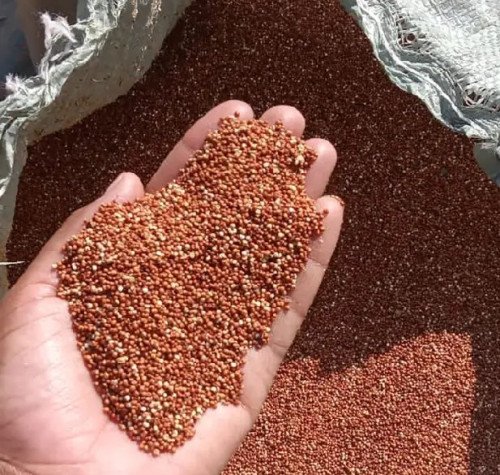
These palatable grasses include some of the most important foods on earth. From the fluffy comfort of rice (mchele) to the earthy resilience of millet (wimbi), grasses have quietly nourished civilizations and shaped entire cultures. Even the green shots we sometimes see in juice bars ~ like wheatgrass (shayiri) ~ belong to this remarkable plant family.
What looks like an ordinary blade in the field can sometimes turn into a staple on the plate.
This blog series is an invitation to explore the fascinating world of palatable grasses — their stories, their flavors, and the roles they have played in kitchens and cultures across the world. In the coming posts, we will take a closer look at a few remarkable members of this plant family.
The Majesty of Millet (Wimbi)
Millet has sustained communities in Africa and Asia for thousands of years. We will explore its many varieties, its role in traditional dishes like porridge and flatbreads, and why this ancient grain is gaining new attention today for its resilience and nutrition.
The Power of Sorghum (Mtama)
Another ancient grain, sorghum is one of the most versatile grasses ever cultivated. From flour to fermented beverages, it has nourished communities in dry climates where other crops struggle to survive.
A Celebration of Maize (Mahindi)
Maize is deeply woven into Kenyan food culture. From roasted street corn to hearty ugali, this beloved grain continues to shape everyday meals across the country.
And these are only the beginning.
The family of palatable grasses includes many other fascinating plants such as:
Bermuda Grass (mtama wa bahari)
Corn/Maize (mahindi)
Rye grass
Sorghum
Sugarcane (miwa)
Timothy grass
Oats
Each of these plants carries its own story ~ from ancient farms to modern kitchens.
Palatable grasses offer more than nourishment. They tell stories of migration, trade, farming wisdom, and human ingenuity. They remind us how deeply our lives are connected to the natural world and how often the most ordinary plants sustain the most extraordinary histories.
So dear reader, are you ready to explore this remarkable family of plants?
In the coming posts, we’ll discover how these grasses have travelled across continents, shaped cuisines, and quietly fed the world for centuries.
Next in the series, we begin with one of the oldest and most resilient grains of all: Millet ~ the humble grass that has nourished civilizations for thousands of years.
If this introduction to palatable grasses sparked your curiosity, there is much more to discover. In the next articles, we explore some of the most fascinating grasses that have nourished communities for centuries:
• Millet – The Ancient Grain That Refuses to Disappear
• Sorghum – Africa’s Quietly Powerful Grain
• Maize – The Heart of Many African Kitchens
Each post looks at the history, cultural significance, and culinary uses of these remarkable grasses.
Stay with us as we continue uncovering the plants that quietly shape the foods we love.

Add your reply
Replies