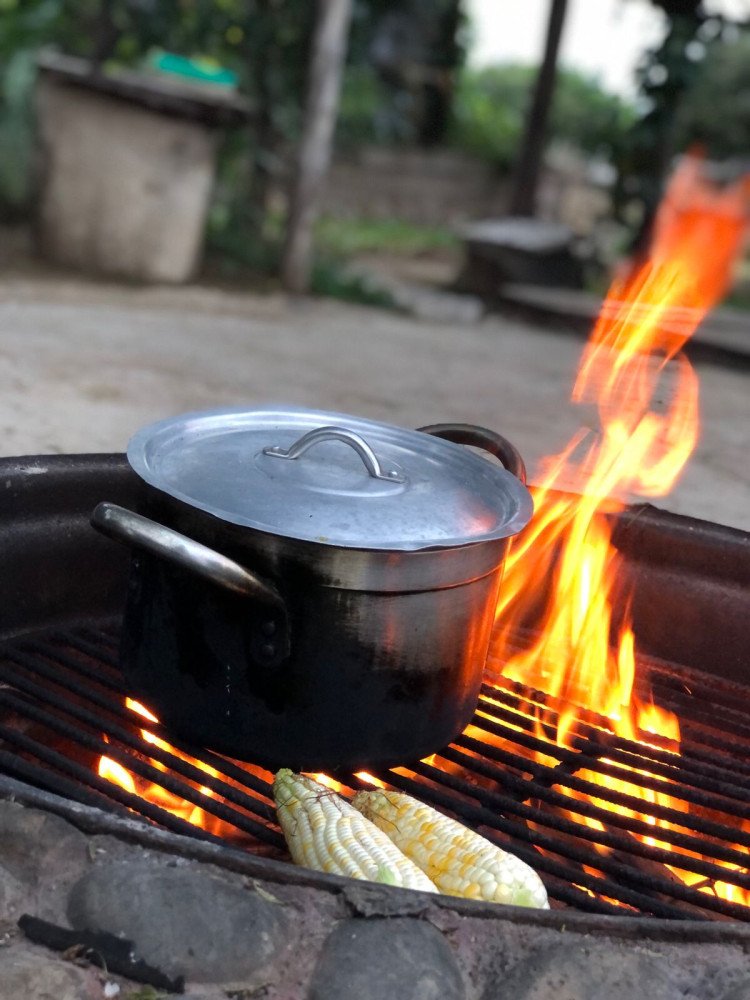
What meal reminds you of home?
Not just any home.
Your home. Your souls’ home. The one that lives in your heart, long after you have moved away, crossed borders, built a new life, learnt new languages, foods and eating norms.?
What food, with just one whiff, one curl of steam rising from a pot, can transport you straight back to your grandmother's or mom’s kitchen?
Maybe it is the nutty, earthy smell of wimbi (Finger Millet) porridge bubbling gently at dawn.
Maybe it is the sharp, smoky tang of grilled mutura (African Sausage) the exact colour of sunset, held in warm hands while someone who loved you told you stories.
And then there is another question we do not ask often enough:
What dish makes everything feel okay again after a terrible, horrible, no-good day?
For most of us, that dish has a name. It has a taste. It carries a memory so powerful that the first bite feels less like eating and more like coming home.
This is where we come in with traditional foods and comfort foods; Are they different? Are they similar?
Many people think traditional foods and comfort foods are the same thing.
I understand why.
They sit so closely together, wrapped around each other like the layers of a perfectly rolled injera or the way fufu nestles into a warm bowl of soup.
Sometimes they are the same dish.
But often, they are not.
And that difference is worth exploring.
Today, I want to take you through kitchens, markets, farms, ceremonies and memories across Africa. We will sit with grandmothers stirring ancient grains and young street vendors perfecting modern classics.
Because traditional foods tell the story of a people.
Comfort foods tell the story of a person.
And Africa's culinary genius lies in how beautifully those two stories continue to meet.
What Are Traditional African Foods?
Let us begin at the beginning.
Traditional African foods are not simply recipes.
They are archives.
They are living, edible records of human ingenuity, ecological knowledge and cultural memory?????
Before written histories, before modern borders and before many of today's nations existed, there were seeds, roots, fruits, grains and grasses, and people who knew exactly what to plant, gather, preserve and prepare.
A traditional food emerges from a particular place and is shaped by particular people over generations.
Sometimes those generations stretch back thousands of years.
Traditional food answers very practical questions:
What grows here?
What can feed us when the rains fail?
What stores well through the lean months?
What does our soil give us?
How do we honour the land and the people who came before us?
Across Africa, traditional foods are deeply connected to indigenous ingredients.
Think of fonio, a tiny but remarkably resilient grain cultivated across the Sahel.
Think of teff in Ethiopia, a grain so closely connected to highland food culture that injera is both an everyday food and a powerful symbol of identity.
Think of African rice, Oryza glaberrima, domesticated independently in West Africa and representing a distinct African agricultural story.
Geography and climate wrote much of Africa's culinary history.
The dry Sahel favoured drought-resistant millet and sorghum.
The Great Rift Valley supported finger millet and an extraordinary diversity of indigenous leafy vegetables.
The forests of Central Africa offered wild tubers, mushrooms, fruits and honey.
The lakes, rivers and coastlines provided fish, while smoking and drying allowed communities to preserve food long before refrigeration existed.
But traditional food goes far beyond survival.
Food, Culture and Ceremony
In many African communities, farming has never been merely an economic activity.
Planting can be accompanied by prayer.
Harvest can be accompanied by thanksgiving.
Food can mark birth, marriage, initiation, mourning and celebration.
It can be an offering.
It can be a welcome.
It can be a declaration of identity.
When food appears at an important ceremony, it often carries meaning far beyond its nutritional value.
It tells people:
This is who we are.
This is where we come from.
This is what our ancestors knew.
This is what we choose to carry forward.
Traditional foods are therefore not frozen pieces of history.
They evolve.
Ingredients move. People migrate. Trade introduces new flavours. Communities experiment.
But the roots remain.
What Are African Comfort Foods?
Now let us turn to something softer.
Something that lives less in history books and more in the human heart.
Comfort food is personal.
A comfort food might be traditional.
It might not.
What makes something comfort food has less to do with how old it is and more to do with how it makes you feel.
Comfort foods remind us of home, family and childhood.
They are the foods someone made when we were sick.
The food waiting for us after school.
The meal, associated with rainy afternoons.
The dish that appeared when visitors came.
The snack, bought with the last few coins in your pocket.
The meal you crave when you are far away from home.
And sometimes, comfort food is simply the thing you want after a difficult day.
My grandmother's comfort food in rural Kenya might have been fermented millet porridge.
My own comfort foods growing up in Nairobi might include that same porridge, but also mandazi, samosa: those soft, golden pieces of fried dough bought from the neighbourhood kiosk.
Another generation might grow up craving chips masala from a particular street corner, or a cheese-and-chapati creation made from whatever happened to be in the fridge.
Are all of these traditional?
No.
But can they be deeply African comfort foods?
Absolutely.
That is because comfort food belongs to lived experience.
Two people from the same village can have completely different comfort foods.
One person may associate roasted maize with happy school holidays.
Another may have no emotional connection to it at all.
One person may find fermented millet porridge comforting.
Another may prefer noodles, shawarma or a particular fast-food meal.
Comfort food whispers:
“I know you. Eat. You are home.”
The Biggest Misconception
This is where so many conversations about African food become complicated.
We more often than not, assume that traditional food automatically means comfort food.
Or that comfort food must be traditional to be authentic, or rather genuinely African.
Both assumptions are wrong, and they erase the beautiful complexity of how food actually lives in people’s lives.
Let me show you what I mean.
Traditional food is NOT necessarily comfort food: In many communities, there are foods prepared strictly for funerals. They can be deeply traditional, with established cultural protocols and generations of history behind them.
But would you necessarily crave them on an ordinary Tuesday because you had a difficult day?
Probably not...They are eaten at moments of collective grief and transition. No one, absolutely no one, would describe these as comfort foods. These are not foods you ask your partner to make because you had a bad day.
Similarly, some traditional foods are associated with periods of famine or hardship: desperate times when preferred foods ran out.
People survived on wild tubers, or drought-resistant grains of last resort. These foods saved lives. They deserve enormous respect; they are not comfort foods. Their memory carries survival, not solace.
The emotional association is too heavy, too sacred.
The reverse is also true.
A university student in Accra might find comfort in instant noodles fried with an egg and onions after a long night of studying.
A young professional in Nairobi might crave a particular shawarma from the restaurant near their first job.
Neither food needs to be ancient to become meaningful.
The confusion happens because many foods genuinely belong to both categories, and we will explore those soon.
But the distinction matters. It reminds us that tradition honours collective memory, while comfort honours individual experience. Both are valid. Both are real. Both are precious, and sometimes wonderfully, one food does both.
Africa is far too diverse to fit into one definition of “African food.”
So rather than treating the continent as one pot, let us travel through some of its food traditions.
Not physically, though I hope this inspires real journeys, but through ingredients and stories that have shaped this continent’s culinary soul.
I will not simply list foods. I want to introduce you to them as you would introduce honoured guests to a dear friend.
Traditional African Foods: A Journey Across the Continent
In the highlands of Ethiopia, (teff) grows. This minuscule grain, one of the oldest domesticated crops on Earth, is the sole ingredient in (injera) that magnificent, spongy, slightly sour flatbread that serves simultaneously as plate, utensil, and meal. Injera belongs to the Amhara, Tigray, Oromo, and many other Ethiopian and Eritrean communities.
It has been made for thousands of years, long before any foreign influence touched the Horn. Injera is both everyday food (eaten at almost every meal) and ceremonial food (central to holidays like Meskel and Timkat). It symbolizes hospitality, abundance, and the remarkable agricultural heritage of the Ethiopian highlands.
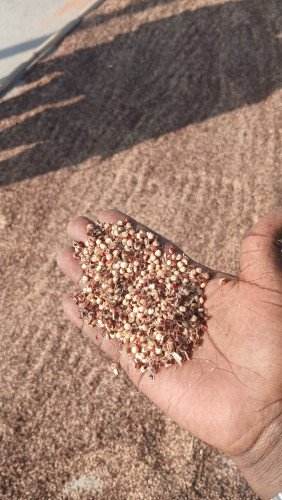
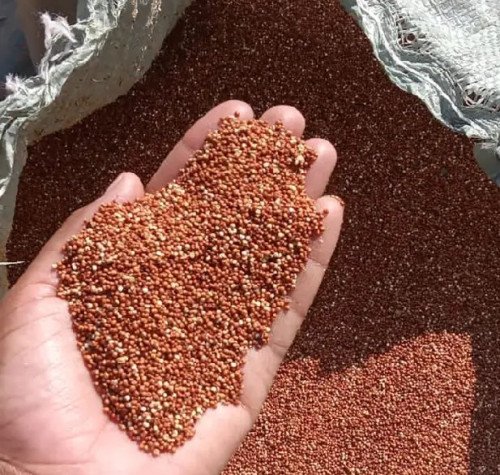
Travel south and west, and you meet (finger millet). In Kenya, Uganda, Tanzania, the Great Lakes region, the Luo, Luhya, Kikuyu, and many others have cultivated this grain for millennia. Finger millet porridge (uji) is one of East Africa’s most ancient foods, fed to children, nursing mothers, and elders.
It is deeply indigenous, deeply nourishing, and carries profound cultural significance in ceremonies from births to bridewealth negotiations. When a Luo elder pours a libation of millet beer to the ancestors, the connection between grain, land, and lineage is made visible.
(Sorghum) travels with pastoralist and farming communities across the region. Indigenous leafy vegetables - spider plant (saga among the Luo), cowpea leaves (kunde), jute mallow (mrenda), amaranth (terere) grow wild and cultivated, preserving micronutrients and knowledge systems that modernity has often overlooked. These greens sustained communities long before kale became a global superfood trend.
West Africa
Here we meet (fonio), that ancient grain of the Sahel. The Dogon people of Mali consider fonio sacred; they believe the universe itself was created from a fonio seed. Whether or not one shares this cosmology, the reverence speaks to fonio’s deep roots.
It is indigenous, pre-colonial, fast-growing, and drought-resistant, providing food security in one of the world’s harshest climates. Fonio is everyday food, but it also appears at weddings and naming ceremonies, a symbol of resilience and continuity.
African rice (Oryza glaberrima) deserves more attention than it receives. Domesticated independently by West African farmers, likely the ancestors of today’s Mende, Jola, and other rice-growing communities; it represents a parallel agricultural revolution entirely separate from Asia’s.
It grows in deep water, tolerates flood, and fed empires like Mali and Songhai. Though now often displaced by Asian rice varieties, it remains cultivated in pockets, particularly for ritual use.
Yams demand respect. True yams, not sweet potatoes, are indigenous to West Africa, domesticated thousands of years ago. The Igbo people’s New Yam Festival (Iri Ji) remains one of the continent’s most vibrant celebrations of this tuber.
Yams are not just food; they are status, masculinity, fertility. A man’s yam barn once defined his social standing. Pounded yam, that labour-intensive, gloriously elastic mound of cooked yam pounded until smooth, remains a dish of ceremony and celebration across Nigeria.
Palm nut soup, made from the fruit of the oil palm tree indigenous to West Africa, is another pre-colonial treasure. Rich, crimson, complex; it nourishes millions and appears at celebrations from Senegal to Cameroon.
Central Africa
The Congo Basin’s dense forests shaped a cuisine intimately connected to wild foods. Wild yams and forest tubers sustained communities long before cultivated varieties spread. Wild mushrooms appear seasonally, gathered with expert knowledge of which nourish and which harm, knowledge passed exclusively through oral tradition.
Fermented cassava products like chikwangue and fufu might surprise some readers, since cassava was introduced from South America by Portuguese traders. But Central African communities transformed this foreign root so completely, developing elaborate fermentation and processing techniques, that the resulting foods became truly traditionalized. They speak to Africa’s genius for culinary adaptation.
Smoked fish from the Congo River and its tributaries represents ancient preservation technology. Long before refrigeration, smoking and drying allowed communities to store protein through wet seasons and trade across vast distances.
Wild greens, bushmeat (traditionally hunted game, increasingly regulated for conservation), and forest honey round out a culinary tradition deeply connected to one of Earth’s most biodiverse ecosystems.
Southern Africa
Sorghum and millet form the ancient grain backbone here too, cultivated by the ancestors of today’s Zulu, Xhosa, Sotho, Tswana, and Shona peoples for millennia.
Sorghum beer (umqombothi) is more than a beverage; it is a medium for ancestor veneration, a necessary component of ceremonies connecting the living and the dead.
Marula fruit, indigenous to the region, produces a celebrated beer and a nut oil now prized in global cosmetics, but traditionally used in cooking and skin care. Baobab fruit powder - tangy, nutritious, incredibly rich in vitamin C, has been a food and medicine for countless generations.
Indigenous leafy greens like morogo (wild spinach) continue to be foraged and cultivated, representing food sovereignty and nutritional wisdom that colonialism’s disruption of food systems could not erase.
Game meat: springbok, kudu, eland, sustained hunter-gatherer San communities and later pastoralist and farming societies. Respect for the animal, gratitude for its life, shaped hunting rituals across Southern Africa.
North Africa
North African cuisine reflects its position as a crossroads; deeply African, deeply Mediterranean, deeply connected to the Sahara and the Arab world.
Barley was the staple grain before wheat’s dominance. Indigenous Amazigh (Berber) communities cultivated barley for bread and porridge for thousands of years.
Couscous, made from durum wheat semolina, emerged from this same Amazigh culinary genius and spread across the Maghreb, becoming a Friday tradition, a celebration dish, a food of family and gathering.
Dates sustained desert communities, their concentrated sweetness a gift of oasis agriculture. Olive oil has been pressed in North Africa since Phoenician and Roman times. Honey sweetened before sugar, and wild herbs; mint, coriander, cumin, flavoured long before global trade.
Fermented milk products like (leben) represent pastoralist traditions shared with East and West Africa, an ancient technology for preserving dairy in hot climates.
The Horn of Africa
Ethiopia and Eritrea’s culinary independence, their resistance to colonial food impositions, makes their traditional cuisine particularly precious. Teff and injera we have discussed. Genfo, a thick porridge of barley or wheat flour served with spiced butter, is an ancient breakfast meal, nourishing and grounding.
Shiro, made from powdered chickpeas or broad beans simmered into a velvety stew, sustains millions through Orthodox Christian fasting periods, a plant-based tradition centuries before plant-based became trendy.
Fermented milk, honey wine (tej), spiced butter (niter kibbeh) these are pre-colonial technologies, pre-colonial flavours, carrying the identity of highland cultures that were never colonized in the way much of Africa experienced.
What connects all these foods across thousands of miles and hundreds of cultures? They emerged from the land. They answered real needs: nutritional, agricultural, spiritual. They carry stories older than the countries they now inhabit. To eat them is to taste history, not metaphorically but literally.
The recipes contain the accumulated wisdom of women and men who figured out, through generations of observation and experimentation, what would keep their children healthy, their communities fed, and their connection to ancestors intact.
African Comfort Foods: The Tastes of Memory
The last time I did this chapter, I had no idea I'd get any feedback. Fortunately I did, and this essay is a response to one email where the reader asked the difference.
Now let us walk through the emotional landscape of African food. These are dishes people crave. Dishes that feature in “I miss home” conversations. Dishes that the diaspora recreates with expensive imported ingredients and fierce devotion.
East African Comfort Foods
Ugali - that sturdy, dependable, white or brown maize porridge eaten across Kenya, Tanzania, Uganda, and beyond, divides opinion. Some call it mere stomach filler. I call it the canvas upon which countless delicious meals are painted. .
For millions of East Africans, ugali with sukuma wiki (collard greens) or with nyama choma (roasted meat) is the taste of home, of fullness, of satisfaction so complete that no French pastry could ever compete. A Kenyan university student abroad will go to improbable lengths to find maize flour. That longing is not about nutrition. It is about identity.
Nyama choma, roasted goat or beef, seasoned simply with salt, cooked over open flames, eaten with hands, accompanied by cold beer and loud laughter: is Kenya’s unofficial national comfort experience.
It is social food. Celebration food. “The deal closed” food. “Old friends reunited” food. It is rarely made at home; it belongs to roadside joints and Saturday afternoons that stretch into evening.
Chapati arrived with South Asian migrants through the Indian Ocean trade and colonial railway construction. East Africans made it their own. Layers of dough, oil, skill, a good chapati is flaky, golden, slightly chewy.
It appears at every celebration, every special meal, every visit from important guests. Many East African children grew up thinking chapati was indigenous. That fusion, that adoption, is the comfort food story in action.
Mandazi: the Swahili doughnut, triangular or round, lightly sweet, fried until golden, is childhood on a plate. Bought at kiosks, dipped in milky tea, eaten on school mornings or lazy Sunday afternoons. Mandazi is not ancient. But it is beloved, which is sometimes more important.
Rolex: Uganda’s magnificent street food invention of chapati wrapped around a vegetable omelette, is comfort food at its most democratic. Affordable, filling, delicious, available everywhere. A Makerere University student’s late-night study fuel.
A labourer’s lunch. A visitor’s revelation. Rolex is maybe thirty years old. It carries no ancient tradition. It carries the story of young, urban, creative Uganda, and that story matters. The Kenyan version is chapati chafua…
Chips mayai: French fries cooked into an omelette, served with kachumbari (fresh tomato-onion salsa) is Tanzanian street food genius. Crispy, soft, greasy in the best way. Not traditional. Absolutely comforting.
Pilau, spiced rice with meat, perfumed with cumin, cardamom, cinnamon, speaks to the Swahili coast’s history of trade with Arabia, India, Persia. It is celebration food, Eid food, wedding food, special-occasion food. The smell of pilau cooking announces that something good is about to happen.
West African Comfort Foods
Jollof rice: needs no introduction, yet it deserves all the praise. The tomato-red, spice-deep, party-essential rice dish that ignites friendly wars between Nigerians, Ghanaians, Senegalese: each claiming superior authenticity, each correct in their own way. Jollof is the taste of celebration. Christmas. Weddings. Sunday lunches. Birthdays.
A Nigerian wedding without Jollof is genuinely difficult to imagine, a social omission bordering on crisis. Jollof carries no single ancient lineage; it emerged from the colonial encounter, incorporating rice (Asian or African), tomatoes (New World), indigenous spices and techniques. Yet it is now, unequivocally, a West African cultural monument.
Suya: thinly sliced beef or chicken coated in ground peanut spice mix (yaji), skewered, and grilled over open flames, is Nigerian street food royalty. Smoke, spice, char. Late-night Lagos. Casual hangouts. The suya man with his distinctive grill box, slicing meat to order, wrapping it in newspaper with sliced onions and extra pepper. Suya is urban comfort, contemporary comfort, the comfort of appetite satisfied and senses awakened.
Puff puff: deep-fried dough balls, slightly sweet, impossibly addictive; appears at parties, roadside stalls, and home kitchens. Ghana, Nigeria, across the region. Golden brown spheres of happiness. Nothing complicated. Everything satisfying.
Akara: black-eyed pea fritters, crisp outside, soft inside, fried and served with pepper sauce or tucked into bread; is breakfast comfort across Nigeria. The akara seller, the sizzle of oil, the morning bustle. It also carries deep cultural roots, associated with Ogun (the Yoruba deity of iron) and prepared for certain ceremonies, showing how comfort and tradition can meet.
Waakye: in Ghana, rice and beans cooked with sorghum leaves, served with spaghetti, stew, gari, shito (black pepper sauce), boiled eggs, fried plantain; is the ultimate complete meal. Affordable, filling, customizable at the waakye joint. University students swear by it. Workers rely on it. It is everyday comfort, the taste of a functioning Ghanaian day.
Kelewele: spiced fried plantains, peppery and sweet; is Ghanaian street comfort. The smell alone, drifting from roadside vendors at dusk, signals evening, relaxation, the end of work.
Southern African Comfort Foods
Bunny chow: a hollowed-out loaf of bread filled with curry; emerged from Durban’s Indian South African community during apartheid, a portable, affordable meal for workers who could not access restaurants.
Today it is South African culinary heritage, beloved across communities, a triumph of creativity over injustice. Bunny chow is not ancient. It is profound.
Vetkoek: deep-fried dough, filled with savoury mince or enjoyed with jam; is Afrikaans in name (literally “fat cake”) but cherished across South Africa’s diverse communities. Hot, greasy, satisfying in a way that bypasses the thinking brain entirely.
Boerewors roll: a coiled beef sausage, grilled and served in a bread roll with tomato-onion relish; is South African braai culture bottled. The braai (barbecue) itself is a national comfort ritual, transcending race and class. Gathering around fire, meat sizzling, cold drink in hand, stories flowing, the food matters, but the togetherness matters more.
Bobotie: spiced minced meat topped with egg custard, baked until golden, shows Cape Malay influence, the layered history of the Cape. Comfort food for Sunday lunches and family gatherings. Sweet, savoury, aromatic, South Africa on a plate.
Roasted maize: (mielies), eaten off the cob by roadside fires, is a seasonal comfort across the region. The smell of roasting maize and the slightly charred, chewy kernels, this is summer, this is childhood, this is walking home from school with coins in your pocket.
North African Comfort Foods
Shawarma: spiced meat rotating on a vertical spit, shaved into flatbread with garlic sauce and pickles, might seem an import, but North Africans have made it utterly their own. Late-night comfort. Post-football match comfort. “I’m hungry and nothing else will do” comfort.
Maakouda: Moroccan potato cakes, fried until golden, served with harissa, street food of the medinas, inexpensive and soul-satisfying. The crunch, the heat, the simplicity.
Basbousa: semolina cake soaked in syrup, studded with almonds; sweet comfort across Egypt and the wider region. Tea time. Visitor time. Celebration time. Every family has their version, their small variation that makes theirs the best.
Tea and Coffee Traditions
No discussion of African comfort foods is complete without beverages.
Ethiopia’s (coffee ceremony) is a comfort ritual of extraordinary depth. Green beans roasted over charcoal, the smoke blessing the room, the aroma intensifying. Beans ground by hand, brewed in a *jebena* (clay pot), poured from height into small cups. Three rounds served, the first strongest, each subsequent round slightly weaker.
The ceremony takes time. It demands presence. It turns coffee from a caffeine delivery system into a spiritual practice of hospitality, connection, and deliberate slowness. Ethiopia is coffee’s birthplace. This ceremony honours that origin.
North African (mint tea) green tea with handfuls of fresh mint and considerable sugar, poured from height to create a delicate foam, is hospitality embodied. Morocco, Algeria, Tunisia. Refusing tea is refusing friendship. The pouring, the sipping, the refilling; a rhythm of welcome repeated millions of times daily.
Kenyan (chai) strong black tea brewed with milk, ginger, cardamom, cinnamon: accompanies mandazi at breakfast, welcomes visitors, punctuates the workday. East African chai culture merges indigenous preferences (milk, spices) with British-introduced tea drinking, creating something entirely new and entirely beloved.
These beverages comfort not just through warmth and flavour but through ritual. The pause they require. The connection they facilitate.
Foods That Belong to Both Categories
Now we reach the heart of the matter. Some foods are simultaneously traditional foods (carrying ancient cultural significance) and comfort foods (carrying personal emotional resonance). These foods are bridges between collective history and individual memory.
Millet porridge: Across East, West, Central, and Southern Africa, millet porridge is one of humanity’s most ancient prepared foods. Archaeological evidence suggests millet cultivation in Africa dating back more than 4,000 years.
It is a traditional food because it connects directly to indigenous agriculture, indigenous food systems, and ancestral knowledge. It is a comfort food because millions of Africans associate it with being cared for, fed to children, to the sick, to new mothers, to elders. The warmth, the gentle sweetness, the easy digestibility; this is the taste of being loved.
Sorghum porridge (ting in Botswana, uji in East Africa, nasha in parts of West Africa). Same duality. Ancient grain, fermented into tangy complexity or cooked fresh and mild. Traditional because it predates colonialism by millennia. Comfort because it nourished your specific body in your specific childhood.
Injera: Profoundly traditional; Ethiopia’s national food, made from indigenous teff, central to Orthodox Christian and Muslim celebrations alike, a marker of Ethiopian identity so powerful that diaspora communities will spend years perfecting their technique.
Profoundly comforting, a torn piece of injera scooping up spicy (wot), shared from a communal plate, surrounded by family. The slight sourness, the porous texture absorbing the sauce. For Ethiopians and Eritreans, nothing else tastes quite so much like home.
Couscous: Traditional in North Africa for centuries, the foundation of Amazigh cuisine, associated with Friday gatherings and family unity. Comforting because of exactly those associations; the steam, the fluffiness, the vegetables and meat nestled within, the hands that rolled the semolina from scratch.
Pounded yam: Traditional Yoruba, Igbo, and wider West African ceremonial food, labour-intensive, respected. Comforting because of what it represents; celebration, family gathering, abundance. The stretchy, satisfying texture, the way it holds soup, the feeling of fullness and wellbeing that follows.
Palm nut soup and groundnut soup: Both ancient West African preparations using indigenous ingredients (oil palm, native groundnuts/peanuts that are distinct from South American varieties).
Both labour-intensive, prepared with care for special occasions. Both deeply comforting; rich, unctuous, layered with flavour. Eating them, you taste centuries of culinary evolution and also your grandmother’s specific kitchen.
Roasted goat: Traditional pastoralist food, eaten across the continent, associated with ceremonies and hospitality in Maasai, Somali, Nuer, Zulu, and countless other cultures. Comforting because roasting meat over fire is one of humanity’s most primal, satisfying food experiences. The smoke. The char. The sharing.
Fermented milk: Traditional preservation technology, deeply embedded in pastoralist cultures from the Sahara to the Cape. Comforting because of its coolness, its tang, its association with home and childhood and being nourished. Maasai (kule naoto), Somali (caano geel - camel milk), North African (leben) each unique, each ancestral, each beloved.
Smoked fish: Ancient preservation technique, found wherever Africa’s lakes and rivers provided. Traditional for centuries. Comforting because the flavour of smoked fish; intense, concentrated, umami-rich, adds depth to soups and stews that fresh fish cannot replicate. It tastes of the specific water body, the specific smoking technique of a specific place.
These dual-category foods are treasures. They preserve history while nurturing individuals. They remind us that the best food operates on multiple levels simultaneously: physical, emotional, cultural, spiritual.
Food Throughout Life: Occasions That Define Us
African cuisines shine brightest when we examine how food marks life’s most important moments. These foods are both traditional and deeply comforting—not just to individuals but to entire communities who share the understanding of what they mean.
Birth and Naming
When a child arrives, celebration and nutrition intertwine.
Among the Yoruba of Nigeria, naming ceremonies on the eighth day feature akara, moin moin (steamed bean pudding), eko (corn pap), and other easily shared foods.
The child tastes symbolic items; honey for sweetness of life, salt for preservation, palm oil for ease, kola nut to repel evil. This is traditional food as blessing, as prayer, as community-wide embrace of a new soul.
In Ethiopia, a mother who has given birth receives genfo: a thick, warming porridge with spiced butter, and atmit, a thin, nourishing gruel. These foods are medicinal, restorative, honouring the mother’s body and the life she has brought. The tradition is ancient. The comfort is immediate.
Childhood
Across Africa, children’s foods share common features: soft, mild, easily digestible, gradually introducing the flavours of the adult diet.
Millet porridge and sorghum porridge appear everywhere, often fermented slightly to aid digestion. In East Africa, uji is the quintessential weaning food, fed by patient grandmothers with small spoons. In Southern Africa, motoho (fermented sorghum porridge) serves the same role. These foods carry no strong spices: just gentle grain sweetness, training young palates while providing steady nourishment.
Arrowroot (nduma in Kenya) is boiled and mashed for infants, a bland but comforting first solid food. Its easy digestibility and gentle nature make it a child’s food, a convalescent’s food, an elder’s food, nourishment at life’s tender stages.
Healing
When sickness comes, specific foods become medicine.
Traditional bone broths simmer across the continent: chicken for colds, goat for strength, fish for recovery. In East Africa, a sick person receives chicken soup with ginger and garlic, a remedy that modern science now validates but that grandmothers prescribed for generations.
In Ghana, light soup with fish or chicken, spiced with ginger and pepper, serves the same function; the heat clearing congestion, the nutrients rebuilding strength.
Ginger tea, lemon grass tea, black seed honey; each community has its healing infusions, knowledge passed through women’s networks, through oral tradition, through the simple observation of what works.
Marriage
Weddings demand abundance. Food signals the seriousness of the commitment, the joining of families, the community’s witness.
In Nigeria, a wedding without Jollof rice and fried rice is almost inconceivable. In Ethiopia, the wedding feast features doro wat (chicken stew, the most prestigious dish) and the coffee ceremony, binding two families through shared consumption.
In Kenya’s Kikuyu community, traditional bridewealth negotiations (ruracio) involve specific foods: millet porridge, roasted goat, honey beer; each carrying symbolic weight about fertility, prosperity, and respect.
Moroccan weddings feature couscous with seven vegetables, rfissa (shredded pastry with chicken and lentils), and elaborate sweet pastries. The food communicates what words cannot: we celebrate this union with everything we have, everything we know how to make.
Initiation Rites
When young people transition to adulthood, food marks the threshold.
Among the Maasai, initiates drink fermented milk mixed with blood: a food of warriors, a food of the cattle-keeping identity, a food that nourishes during the physically demanding seclusion period.
Among the Xhosa, initiates undergoing ulwaluko receive specific foods from their families, prepared according to strict protocols. Among the Mande peoples of West Africa, initiates into secret societies receive ritual meals that encode cultural knowledge.
These foods are not comfort foods in any casual sense. They are traditional foods performing their most serious function: transforming eaters from one state of being to another.
Harvest Festivals
When crops come in, gratitude flows.
The Igbo, New Yam Festival (Iri Ji) celebrates the first harvest of yams, the king of crops. Only after the eldest man in the community has tasted the new yam, offering thanks to the ancestors, can anyone else eat. The festival features pounded yam, yam porridge, roasted yam; the tuber in all its glory. This is traditional food; as a calendar, as thanksgiving, as community renewal.
Among the Ga people of Ghana, Homowo (hooting at hunger) commemorates a historical famine overcome. The festival features (kpekpele)(steamed fermented corn dough) and palm nut soup with smoked fish. The food tells a story: we remember the hungry times, and we celebrate that we survived.
Rain Ceremonies and Ancestral Offerings
When communities prayed for rain, when they honoured the dead, food mediated between worlds.
Sorghum beer across Southern and East Africa is the quintessential ritual beverage, poured on the ground for ancestors, shared among participants, connecting the living community to those who came before.
Among the Zulu, umqombothi, is essential for umsebenzi (ancestral ceremonies). Among the Luo, millet beer (busaa) accompanied rain-making rituals. The beer is traditional, but its role as comfort, assurance that the ancestors still listen, still protect, should not be underestimated.
Hospitality
Across Africa, hospitality is a sacred duty. The food offered to strangers is a measure of the household’s honour.
In Somalia, guests receive camel milk or sweet spiced tea before any conversation of substance. In Senegal, thieboudienne (rice and fish) or yassa (marinated chicken or fish with onions) welcomes visitors with the best the household can offer - teranga, the Wolof concept of hospitality, made edible. In Ethiopia, the coffee ceremony greets every guest. In Morocco, mint tea pours.
The specific dish varies, but the principle is constant: you honour the guest with food, and in doing so, you honour yourself.
Funerals and Mourning
Here, food serves different purposes: nourishing the bereaved who have no energy to cook, honouring the deceased, feeding the community that gathers to support.
Among the Akan of Ghana, funeral celebrations feature fufu and groundnut soup, banku and tilapia, rice and stew, substantial foods for mourners who have travelled. The food says: you are not alone. We are here.
In Kenya’s Luo community, funeral feasts involve kuon (ugali), rech (fish), alya (smoked beef), and traditional vegetables. The foods are not funeral-specific, they are everyday staples prepared in abundance for a sombre gathering. What makes them traditional is the context, the protocol of who eats first, the quiet serving of elders.
In Egypt, fatta - rice, bread, and meat in garlic-vinegar sauce, appears at funerals and religious holidays alike, a dish that can hold both grief and celebration.
The Evolution of African Comfort Foods
How did we get here? How did a continent’s comfort foods expand from millet porridge in gourds to include shawarma, chips mayai, bunny chow, and Jollof rice? The story is one of movement, adaptation, and creative genius.
Pre-colonial Africa
Before sustained European contact, Africa’s food systems were entirely based on indigenous crops and livestock. Millet, sorghum, teff, fonio, African rice, yams, cowpeas, Bambara groundnuts, oil palm; these formed the foundation. Hunting, fishing, gathering wild fruits and greens supplemented cultivated foods. Fermentation preserved milk and grains. Smoking preserved fish and meat. Every region had its own agricultural revolution, its own plant and animal domestication stories, its own culinary logic.
The comfort foods of this era were the traditional foods, the porridges, the roasted meats, the fermented milks. What else could they be? These were the foods of home, the foods of childhood, the foods of celebration.
Trade
Trans-Saharan trade brought spices, dates, and new ideas. Indian Ocean trade connected the Swahili coast to Arabia, Persia, India, and beyond; introducing rice varieties, spices, citrus, mangoes, and culinary techniques. These influences did not erase indigenous cuisines. They enriched them. Swahili pilau is not less African for using cinnamon and cumin. It is testimony to Africa’s long history of sophisticated global engagement.
Colonial Influence
Colonialism disrupted African food systems profoundly, introducing new crops, disrupting indigenous agriculture, creating plantation economies that prioritized export over local consumption. Crops like maize, cassava, tomatoes, potatoes, peanuts, and sweet potatoes spread across the continent through colonial channels. Their adoption was not always voluntary. Famine, forced labour, and the destruction of indigenous food systems sometimes left communities no choice.
Yet Africans did what humans always do: they adapted. They made these new ingredients their own.
Maize became ugali, sadza, nshima, pap - the stiff porridge that dominates East and Southern African meals. Cassava became fufu, attiéké, garri, chikwangue - transformed through African processing genius into foods entirely distinct from anything in cassava’s South American homeland. Tomatoes became the base of countless stews, including Jollof rice’s signature redness.
These foods are not “less African” for their foreign origins. They are testimony to African creativity, to the ability to absorb, transform, and make meaningful.
Urbanization
As Africans moved to cities, new food needs emerged. Fast, affordable, filling. Street food culture exploded.
Akara sellers in Lagos. Suya joints in Abuja. Rolex stands in Kampala. Bunny chow shops in Durban. Mayai pasua kiosks in Nairobi. Kelewele vendors in Accra. Urban life created urban comfort foods: portable, immediate, accessible. These foods became the taste of city life, of independence, of making it.
Modern Comfort Foods
Today’s African comfort foods continue to evolve. University students invent dorm-room fusions. Diaspora communities adapt traditional recipes to foreign supermarkets. Chefs in Accra, Nairobi, Lagos, and Cape Town reinterpret classics for global audiences. Social media spreads food trends across borders at unprecedented speed.
A young Kenyan might crave her mother’s chapati but also a burger from a specific joint. A Nigerian student in London might perfect his jollof recipe while also developing deep feelings for a particular brand of instant noodles.
These are not contradictions. They are the latest chapter in a very old story: food that meets needs, carries memories, and makes people feel at home in a changing world.
Africa never abandoned its traditional foods. Walk through any market in Dakar, Addis Ababa, Kigali, or Gaborone, and you will find millet, sorghum, indigenous greens, smoked fish, traditional spices.
Rural communities continue to cultivate heritage crops. Ceremonies continue to demand ritual foods. But alongside these, new comfort foods have grown; not replacing the old, but extending the family of foods that Africans love.
What We Carry Forward
Here is what I hope you take from this long, loving journey through Africas’ pots.
Traditional foods tell the story of Africa. They tell of domestication and migration, of drought and abundance, of farmers who watched the sky and knew when to plant.
They tell of ceremonies that connected the living and the dead, of hospitality that defined honour, of knowledge passed from grandmother to granddaughter through hands in dough and eyes on flame.
Comfort foods tell the story of Africans. They tell of specific childhoods, specific kitchens, specific people who fed us when we were small and helpless and hungry. They tell of cities and streets and late-night cravings, of dormitories and payday treats, of “taste this” and “remember when” and “this reminds me of home.”
Some foods do both. Millet porridge. Injera. Palm nut soup. Pounded yam. These foods carry entire civilizations in their steam and also cradle individual souls in their warmth. They are bridges.
Every recipe carries history. When you stir uji, you are participating in a food tradition that has connected generations across East Africa.
When you pound yam, your rhythm echoes through generations of West African kitchens.When you take part in an Ethiopian coffee ceremony, you are participating in a ritual of hospitality with deep roots. Every meal can preserve memory.
Your memory. Your mother’s. Your community’s. The diaspora cook who pays too much for teff flour in a foreign supermarket is not just making bread. She is maintaining identity across distance, making home edible for her children who have never seen Ethiopia.
Africa’s culinary heritage continues to evolve. It always has. New grains became staples. New spices flavoured old pots. New streets gave rise to new snacks. This is not: loss. This is life. The continent’s food genius has always been adaptive, always creative, always open to the new while rooted in the ancient.
What matters is not that we freeze foods in time, pretending that change never happened. What matters is that we understand what we are eating, honour where it came from, remember whose hands shaped it, and pass that knowledge to those who will eat after us.
This is how food stays alive.
??So the next time you sit down to a meal: whether it’s your grandmother’s fermented millet porridge or your favourite street vendor’s shawarma, whether it’s ceremonial pounded yam or a humble mandazi with tea, a dish you invented yourself, pause for a moment.
Think of the land that grew these ingredients.
Think of the hands that prepared them.
Think of the generations of eaters who came before you, each adding their own memories, their own meanings, their own love to the dish before you.
You are not just eating.
You are participating in a story.
And what a magnificent, delicious, enduring story it is.

Add your reply
Replies