Sometimes the body knows before the mind catches up.
When I was breastfeeding, there were days food felt difficult. Certain smells were too much. Some meals felt heavy before the first bite even landed.
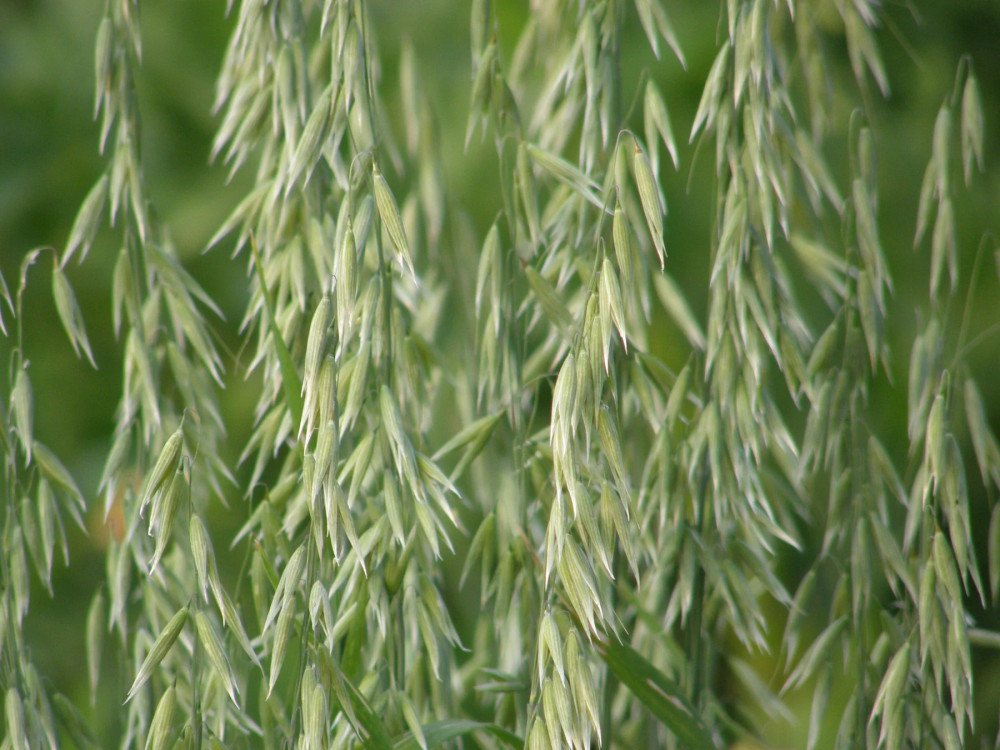
Oats I could manage.
I didn’t know anything about galactagogues back then. I wasn’t researching milk production or herbal support. I was simply eating what my body seemed willing to accept.
And then something interesting happened.
Milk production improved.
Naturally, curiosity kicked in.
So I started reading. Digging. Asking questions. And somewhere between ancient medicine texts, African farming stories, and modern wellness culture, I realised oat grass had been quietly travelling through human history far longer than most people imagine.
And honestly?
I couldn’t fit everything into one blog.
But this is part of that story.
Imagine a cold Scandinavian shoreline around 2,000 BCE.
A traveller pulls up a handful of young oat blades, chews them absent-mindedly, and notices something surprising - sweetness.
Not sugarcane sweetness.
Something softer. Earthier. Calm.
He carries the seeds south.
And without knowing it, becomes part of humanity’s long relationship with oat grass.
Long before oat milk became trendy café language, people were already working with oats as medicine, nourishment, and comfort.
Ancient Greece
Hippocrates prescribed wild oat infusions for restlessness and exhaustion. Patients drank warm oat tea sweetened with thyme honey.
Roman Britain
Roman cavalry horses were fed young oat grass to keep their coats glossy and their temperaments calm.
Medieval Persia
Avicenna’s Canon of Medicine described wild oat herb as a tonic for the heart and nervous system.
Monastic Europe
Monks dried oat grass into green powders that thickened winter soups and supported people recovering from illness.
Even then, people seemed to understand something modern wellness culture is rediscovering:
Oat grass is gentle.
Not dramatic.
Not loud.
Just quietly supportive.
Modern Lift-Off
1890s Switzerland: Dr. Max Bircher used fresh oat-leaf juice in the original muesli diets for recovery patients.
1950s USA: Oat grass entered the “green drink” movement alongside wheatgrass and barley grass.
Today: Oat milk cafés, green powders, wellness shots, gummies, smoothie boosters, and skin-care products continue pushing oat grass into mainstream health culture.
And somehow, after all these centuries, it still feels humble.
Africa’s Oat-Grass Journey ~ Milk, Mountains and Modern Wellness
Oat grass thrives where mornings are cool, soils are rich, and communities know how to work patiently with the land.
And across Africa, people found different ways to make it useful.
Ethiopia
Wild Avena abyssinica still grows in the highlands around 3,000 metres above sea level. Farmers juice young blades for what some call “nerve fire” - a gentle energy boost without the harshness of stimulants.
Today, Addis Ababa juice bars mix oat-grass shots with mango and ginger for tired office workers and university students.
Kenya
Colonial settlers introduced European oats around Limuru and Nandi for dairy farming, but local communities adapted the grass into everyday life quickly.
Some Kikuyu women fed oat preparations to colicky babies and breastfeeding mothers long before wellness branding existed.
Today, oat-grass powder appears in Nairobi pharmacies, smoothie shops, and wellness cafés as a “natural beta-glucan” supplement.
And honestly, many mothers already knew what science is still trying to explain.
Rwanda & Burundi
Oat grass helps stabilise steep hillsides while cooperatives process leaf powders for urban wellness markets.
The grass feeds both soil and economy.
South Africa
Dutch settlers grew oats for horses crossing the Karoo, but modern Cape wellness culture reinvented the plant completely.
Today:
oat-grass lattes
green powders
rooibos blends
smoothie boosters
all appear in health cafés from Cape Town to Stellenbosch.
Lesotho
Women’s farming groups dry oat grass and package it into small supermarket sachets that help pay school fees and household bills.
Zimbabwe
Smallholders intercrop oat grass with peas - selling the young leaf for juice while keeping grain for cereal companies.
One plant. Two income streams.
Egypt
Ancient papyri mention young oats for chest weakness and exhaustion. Modern growers now export oat-grass powder to Gulf markets.
Morocco
Berber communities traditionally juiced spring oat grass for “tired blood,” while dairy farms feed fresh oat grass to cattle for creamier milk.
Nigeria
The Jos Plateau’s cooler climate supports year-round oat production. Powdered oat grass now travels to smoothie bars across Lagos and Abuja.
Ghana
Roadside “nerve shots” combining oat grass and fruit juice are increasingly common among long-distance drivers and city workers.
Senegal
Urban gardeners grow oat grass in recycled rice sacks, blending the juice with baobab into nutrient-rich smoothies for children.
Medicinal Uses
Oat grass never became a flashy miracle herb.
Instead, it quietly built a reputation over centuries for helping people feel steady.
Traditional Preparations
Warm oat-leaf tea
Fresh juice shots
Hay baths for irritated skin
Moist poultices for burns and bites
Milky-oat tinctures for exhaustion and anxiety
What Traditional Healers Said - And What Science Is Studying
1. Nervous-System Support
Oat grass contains compounds like gramine and trigonelline linked to calming effects and stress support.
2. Breastfeeding Support
Traditionally used as a galactagogue in several communities. While research is still growing, many mothers continue reporting increased milk production.
3. Skin Support
Avenanthramides - unique oat antioxidants - help soothe inflammation and irritated skin.
4. Cholesterol Balance
Beta-glucans help bind bile acids and may support healthy cholesterol levels.
5. Blood Sugar Support
Some early studies suggest oat-grass juice may help flatten glucose spikes after meals.
6. Sleep & Relaxation
The soft vanilla scent from dried oat tops made its way into pillows, teas, and calming evening tonics across Europe.
Safety Notes
Oat grass is generally gluten-free if harvested before grain develops.
Coeliacs should still choose certified products.
Those on blood-thinners should monitor vitamin K intake.
People with grass allergies should start slowly.
Culinary Uses
Oat grass moved from horse feed to wellness culture surprisingly smoothly.
And today, people are experimenting with it everywhere.
Historical Foods
Nordic oat-grass soups
Scots famine breads
Roasted oat “coffee”
Herbal recovery broths
Modern Kitchen Twists
1. Oat-Grass Latte
Fresh oat-grass juice topped with steamed oat milk.
2. Microgreens
Tender oat blades garnish salads, sushi, wraps, and goat-cheese tarts.
3. Oat-Grass Pesto
Blended with pumpkin seeds, garlic, olive oil, and lemon.
4. Smoothie Cubes
Frozen oat-grass juice added to fruit smoothies.
5. Skin-Care Ice Cubes
Frozen diluted juice rubbed gently over sunburn or irritated skin.
6. DIY Oat-Grass Juice at Home
You don’t need expensive equipment.
Just patience and sunlight.
Simple Method
Soak ½ cup whole oats overnight
Drain and rinse twice daily
Spread on soil after sprouting
Grow near sunlight for about 10–12 days
Harvest at roughly 15 cm tall
Blend with water and strain
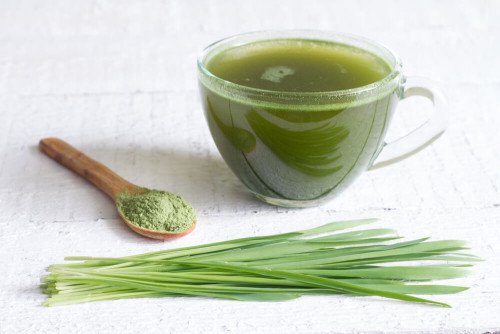
That bright green shot?
That’s thousands of years of food history in a glass.
Oat grass may look soft and ordinary, but behind those green blades sits a long story of nourishment, healing, and resilience.
From Viking shorelines to African highlands, from breastfeeding mothers to modern juice bars, oat grass has quietly remained one of the gentlest plants humans keep returning to.
Not because it shouts.


Add your reply
Replies